
New cooling systems
Doraville AC Installation and Replacement
A plain answer on repair versus replacement, then a system sized to your home so it runs steady, dries the air and stays dry underneath.
Bigger Is the Most Expensive Mistake in Replacement
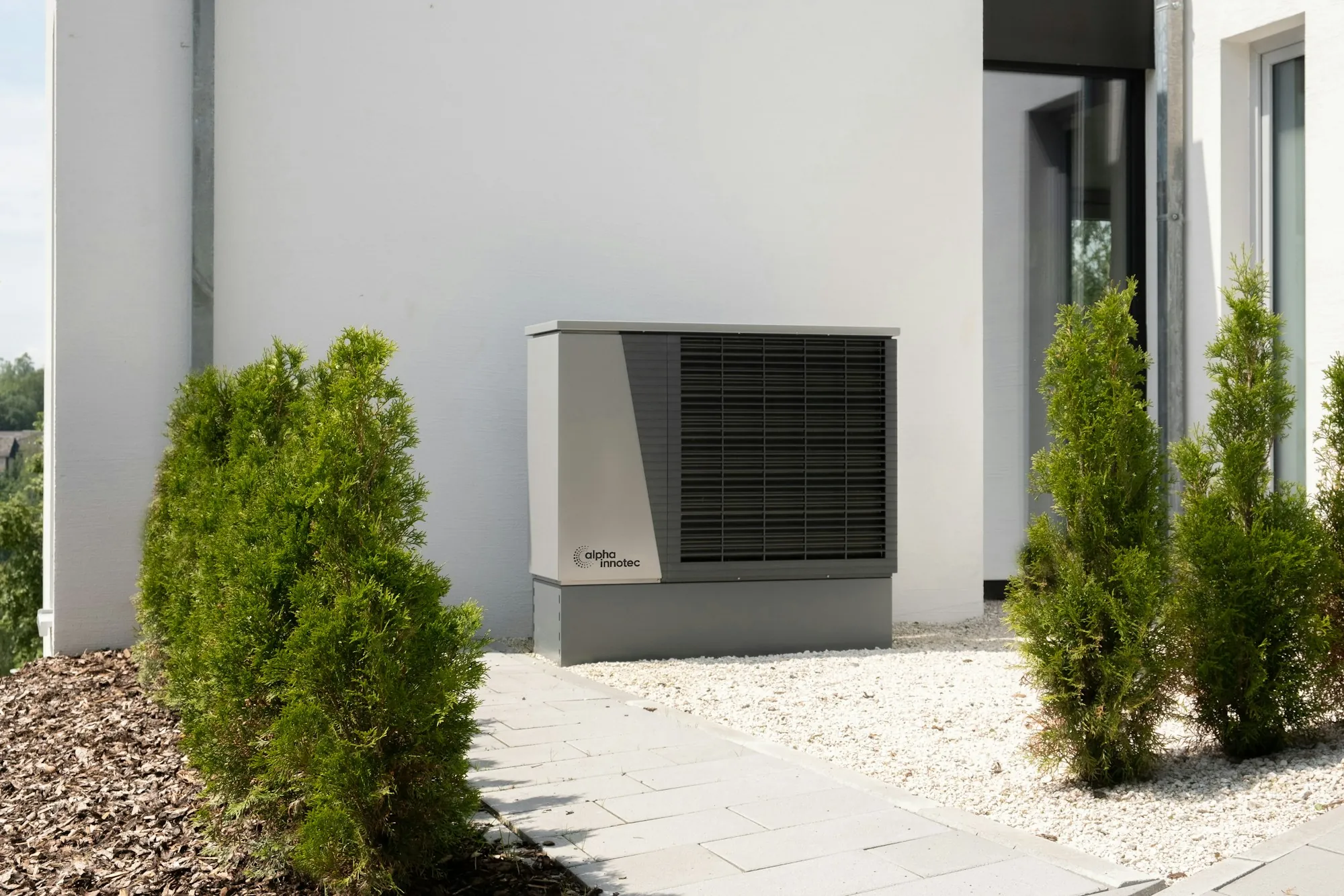
Many short cycling complaints trace back to a single decision made at the last replacement: someone picked a unit larger than the house needed. An oversized air conditioner hits the thermostat setting in minutes, shuts off, waits, starts again. Each short run wastes energy at startup, wears parts faster and leaves moisture in the air, so rooms feel cool and damp at the same time. The fix at replacement time is a proper load calculation. Square footage is only the start. Insulation, window area, orientation, ceiling height, the number of people in the home and, critically, the capacity of the existing ducts all shape the right size. Older Doraville homes often have ductwork that was laid out for very different equipment, so the ducts get checked before the new system is chosen. Then come the details that decide how well it actually performs. An indoor coil built to pair with that condenser. Refrigerant tubing of the correct diameter, flushed clean or swapped out. A new drain line with a working safety switch, and a pan that will not crack in a year. The correct breaker and disconnect. A permit and inspection with the county or city where one is required. SEER2 ratings help compare efficiency, but a careful install of a well-sized system matters as much as the sticker rating.
Included in a Replacement
The whole system gets attention, not just the condenser.
Repair or replace review
Age, repair history, the cost of the current fix and how well the home stays comfortable, weighed openly.
Load calculation
Capacity set by the home's actual cooling load and duct capacity.
Duct check
Supply and return sizing and obvious leaks reviewed before equipment is chosen.
Matched coil and line set
Indoor coil paired with the outdoor unit, refrigerant lines sized and cleaned or replaced.
New drain and safety switch
Fresh condensate line, a sound pan and a float switch so the new system stays dry underneath.
Electrical and permit
Breaker, disconnect and wiring matched to the equipment, with the permit pulled where required.
Startup and haul-away
Charge, pressures and airflow verified at startup, and the old equipment removed from the property.
How the Replacement Goes
Measure the home
The house, the ducts, the electrical service and the drain route are checked, and your comfort complaints are written down.
Choose with the facts
Equipment options compared side by side, each with the reason for its size and a written cost.
Install and prove it
The old system comes out, the new one is set and connected, and startup readings confirm long, steady cycles and a dry drain.
Why the Sizing Step Matters
Steady cycles
A correctly sized system runs longer, quieter cycles that pull humidity out of the house.
Honest timing
If a repair still makes sense, you will hear that first.
Neat job site
Floors covered, debris collected and the old unit hauled off.
- Load calculation first
- Ducts reviewed
- New drain and float switch
- Startup readings recorded
Thinking the Old Unit Has Had Its Run?
Give a technician the age and the history. You will get a frank opinion on whether to repair or replace, and what size actually fits your home.